
How Strategic CRM Development Can Automate Your Sales Pipeline
For many businesses, the sales pipeline is the heartbeat of growth. However, as your customer base expands, manual tracking becomes a bottleneck that stifles conversion rates and creates data silos.
While many companies turn to generic software to manage their relationships, these “out-of-the-box” solutions often fail to mirror the unique nuances of complex sales cycles. This is where strategic crm development becomes a competitive advantage, allowing you to build a system that adapts to your workflow-rather than forcing your team to adapt to a rigid tool.
The Limitations of Off-the-Shelf CRM Tools
Most generic platforms are designed for the “average” business. While this makes them accessible, it also means they often lack the depth required for specialized industries or high-volume operations.
Why generic features often fail to meet niche business needs
Generic tools provide a broad feature set that covers 80% of standard use cases but often miss the critical 20% that defines your specific competitive edge. For example, a manufacturing firm might need complex inventory tracking tied directly to sales quotes, while a creative agency may require unique project milestone tracking within their CRM.
When you force these unique requirements into a generic platform, you end up with:
- Over-complicated interfaces that frustrate users.
- Excessive “bloat”-features your team never uses but still have to navigate.
- Workarounds that lead to inconsistent data entry across different departments.
The hidden costs of manual data entry and fragmented workflows
When a CRM doesn’t align with your actual processes, your team spends more time managing the tool than managing customers. This leads to “data decay,” where information becomes outdated because it is too tedious to keep current.
Fragmented workflows occur when sales, marketing, and support teams use different spreadsheets or disconnected tools. This lack of a single source of truth results in:
- Delayed response times for hot leads.
- Duplicate outreach to the same customer.
- Inaccurate forecasting due to missing data points.
Key Benefits of Custom CRM Development
Investing in bespoke software allows you to architect a system that mirrors your internal logic perfectly. Instead of fitting a square peg into a round hole, custom CRM development services ensure the tool is built around your specific business rules.
Tailored modules for specific industry requirements
Custom development allows you to build only what you need. Whether it’s a specialized lead scoring algorithm for real estate or a complex multi-tier approval process for enterprise software sales, your system can be engineered to handle these specifics natively.
| Feature | Off-the-Shelf CRM | Custom CRM Development |
|---|---|---|
| Workflow Alignment | Limited to pre-set templates | Built around your unique processes |
| User Experience | Generic UI; requires training | Intuitive, role-specific interfaces |
| Scalability | Fixed limits on features/users | Scalable architecture for growth |
| Data Integration | Dependent on available plugins | Seamless integration with any internal tool |
Seamless integration with existing internal tools
Your CRM shouldn’t exist in a vacuum. A custom solution can be engineered to communicate directly with your ERP, accounting software, inventory management systems, and proprietary marketing tools via robust APIs. This ensures that data flows automatically across the entire organization without manual intervention.
Enhanced data security and ownership
When you use a third-party platform, you are essentially “renting” your customer data. Custom development gives you full ownership of your data architecture. You can implement specific security protocols, such as granular permission levels and encrypted data storage, tailored to your industry’s regulatory requirements (like GDPR or HIPAA).
Automating the Sales Funnel
The ultimate goal of a custom CRM is to remove human friction from repetitive tasks. By automating the “busy work,” your sales team can focus on high-value activities like closing deals and nurturing relationships.
Lead scoring and automated follow-up triggers
Not all leads are created equal. Strategic crm development allows you to implement automated lead scoring based on behavior, such as:
- Website interactions: Scoring higher for users who visit the pricing page.
- Email engagement: Triggering alerts when a prospect opens a proposal three times.
- Time-based triggers: Automatically assigning a task to a rep if a lead hasn’t been contacted in 48 hours.
These automations ensure that your highest-priority prospects never fall through the cracks.
Real-time sales reporting and analytics dashboards
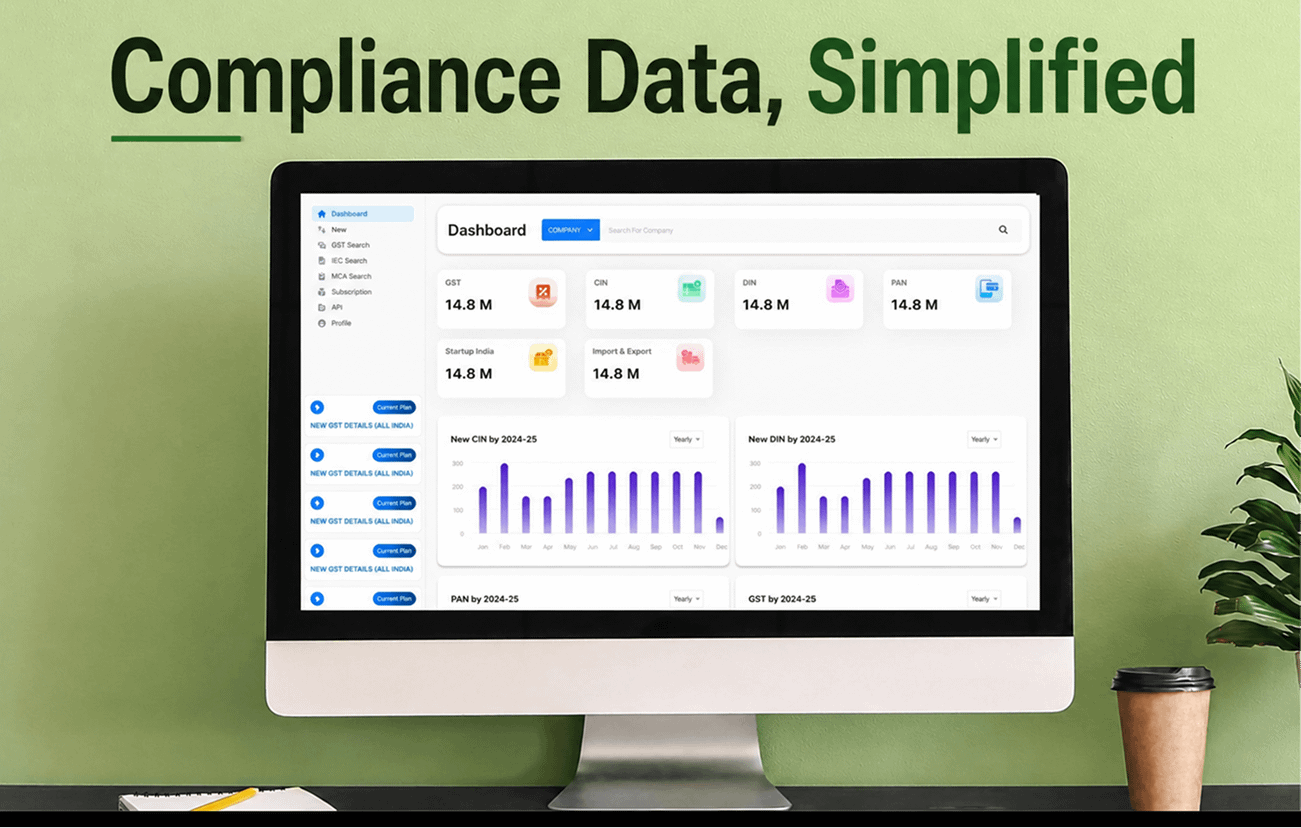
Data is only useful if it’s actionable. Custom systems can aggregate data from every touchpoint-calls, emails, meetings, and conversions-to provide a real-time view of your pipeline health.
With custom analytics dashboards, managers can identify:
- Conversion bottlenecks: Where in the funnel are leads dropping off?
- Win/Loss ratios: Which products or regions perform best?
- Sales velocity: How long does it take to move a lead from “Initial Contact” to “Closed Won”?
The Roadmap to Custom CRM Implementation
Building a robust system requires a structured approach, especially when balancing the needs of an MVP (Minimum Viable Product) for a startup versus a scalable architecture for an enterprise.
Requirement gathering and process mapping
Before a single line of code is written, you must audit your current sales process. This involves:
- Stakeholder Interviews: Talking to the people actually using the system daily.
- Process Mapping: Documenting every step from lead generation to final invoice.
- Gap Analysis: Identifying where current tools fail to support these steps.
Development phases: From MVP to full-scale deployment
For many organizations, a “big bang” launch is risky. A phased approach is often more effective:
- MVP Phase: Focus on core functionalities-lead capture, contact management, and basic reporting. This gets the team using the tool quickly.
- Iterative Feedback: Collect user feedback during the MVP phase to refine the UI/UX.
- Full-Scale Deployment: Integrate advanced features like AI-driven forecasting, complex automation workflows, and deep third-party integrations.
By following a structured development roadmap, you ensure that the final product isn’t just a piece of software, but a scalable engine for growth.
Conclusion
Strategic crm development transforms your sales pipeline from a manual chore into an automated, data-driven powerhouse. By moving away from generic tools and toward a tailored solution, you eliminate friction, secure your data, and empower your team to sell more effectively.
Ready to streamline your operations? Partner with AY Technologies to build a custom CRM that scales with your ambitions.